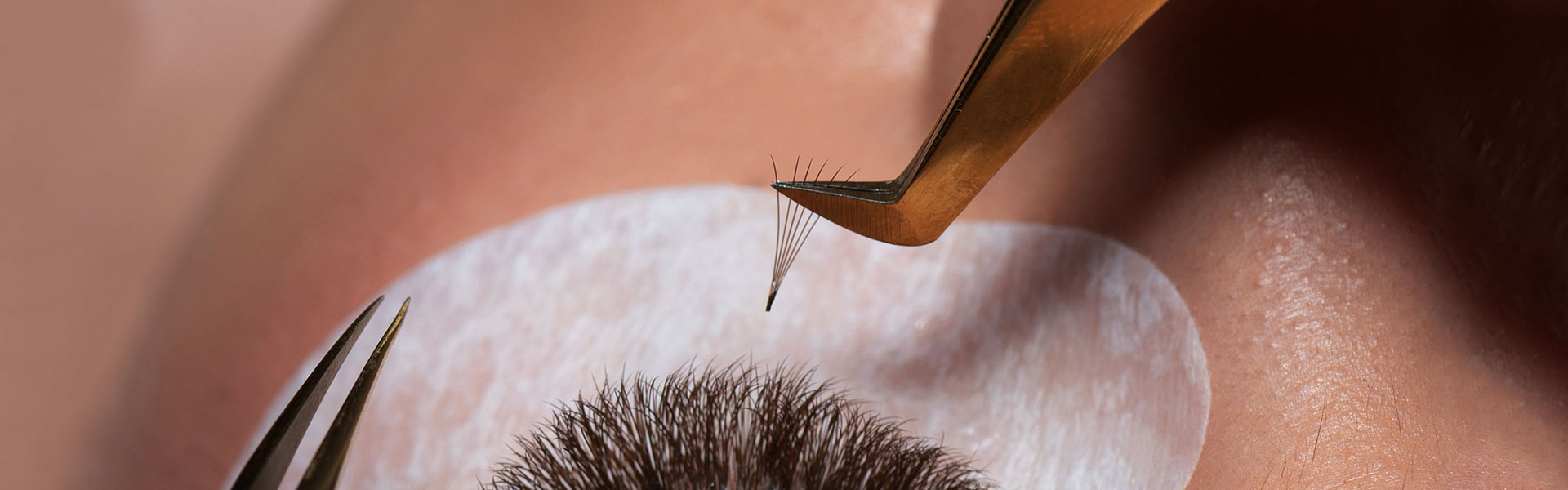
Abstract · This article provides a detailed examination of Lash Clusters, exploring their design, application techniques, and the technology that makes them accessible for at-home use. The discussion covers segment configurations, adhesive systems, material compositions, and the practical benefits that have made cluster lashes a popular alternative to traditional extensions.
01. What Are Lash Clusters and How Do They Differ
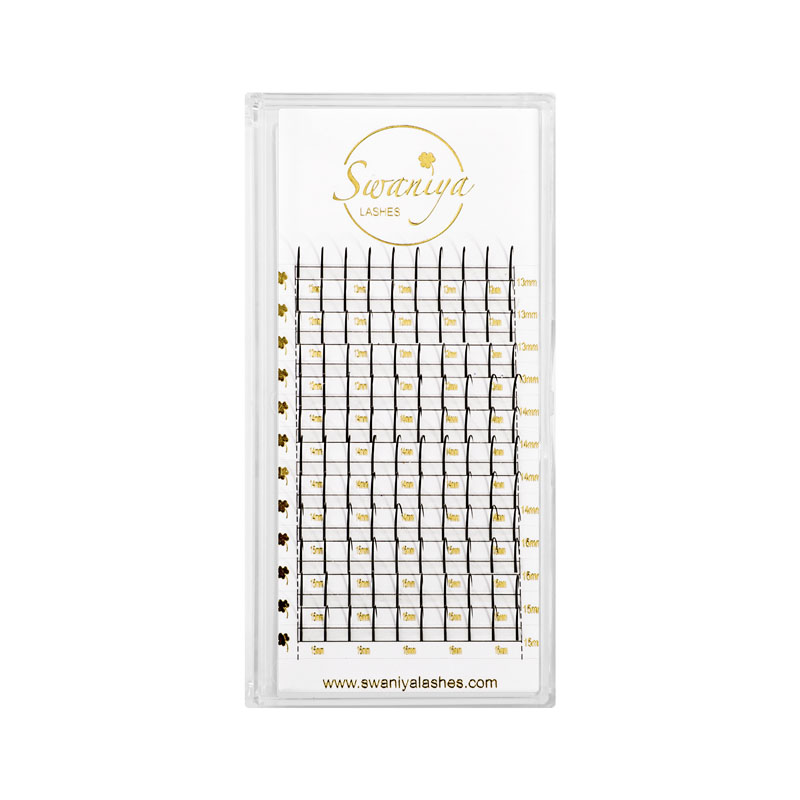
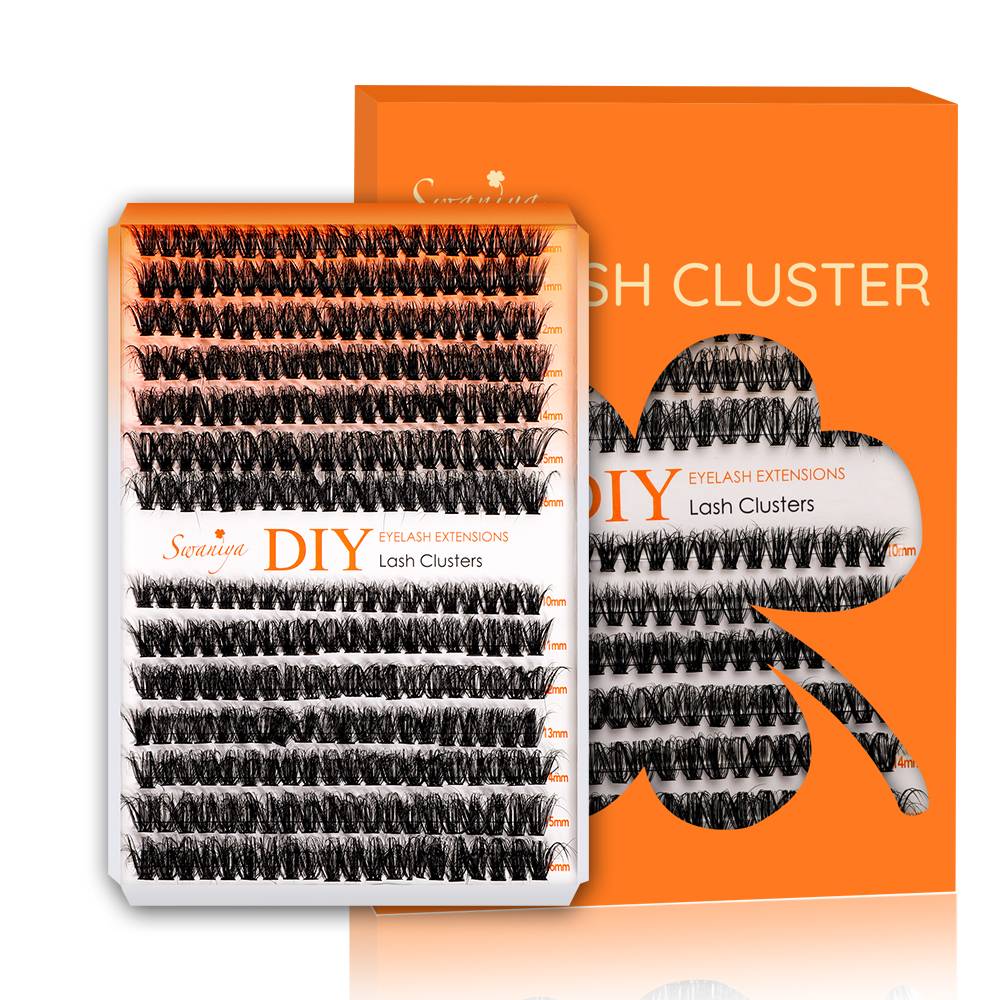
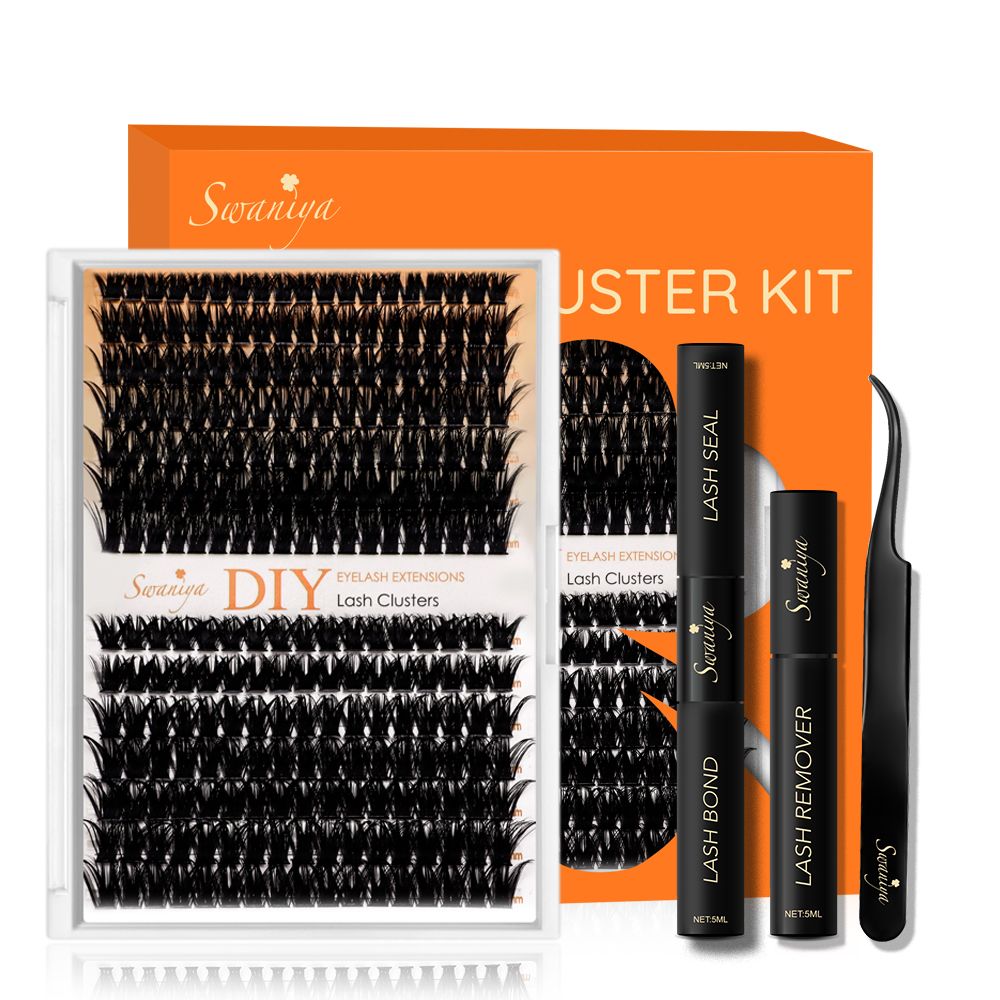
Lash Clusters are pre-arranged groups of individual eyelash fibers attached to a thin, flexible base. Unlike traditional individual eyelash extensions, which are applied one lash at a time by a professional, clusters contain multiple lashes in a single segment that can be applied much more quickly.
The key distinction between clusters and professional extensions lies in their application and durability. Professional extensions are bonded to individual natural lashes and can last for weeks with proper care. Clusters are typically applied to the base of the natural lash line using a temporary adhesive and are designed to last for a shorter period, usually 5 to 10 days. This makes them an accessible option for users who want the look of extensions without the time commitment or professional application required for traditional methods.
Pre-arranged groups of lashes on a flexible base
At-home or professional
5–10 days (typical)
02. Material Composition and Fiber Technologies
Polybutylene terephthalate; strong, flexible, and holds curl well
Ultra-soft, fine fibers for a feathery, natural finish
Synthetic materials free from animal-derived ingredients
Suitable for users with latex allergies
The fibers used in Lash Clusters are predominantly made from PBT (polybutylene terephthalate), a synthetic material selected for its strength, flexibility, and ability to hold a curl. Cashmere-grade PBT fibers are finer and softer, creating a more natural, feathery appearance. High-quality clusters are vegan, cruelty-free, and latex-free, making them suitable for a wide range of users. The fiber thickness, typically ranging from 0.05mm to 0.10mm, determines the volume and weight of the cluster.
03. Adhesive Systems and Bonding Mechanisms
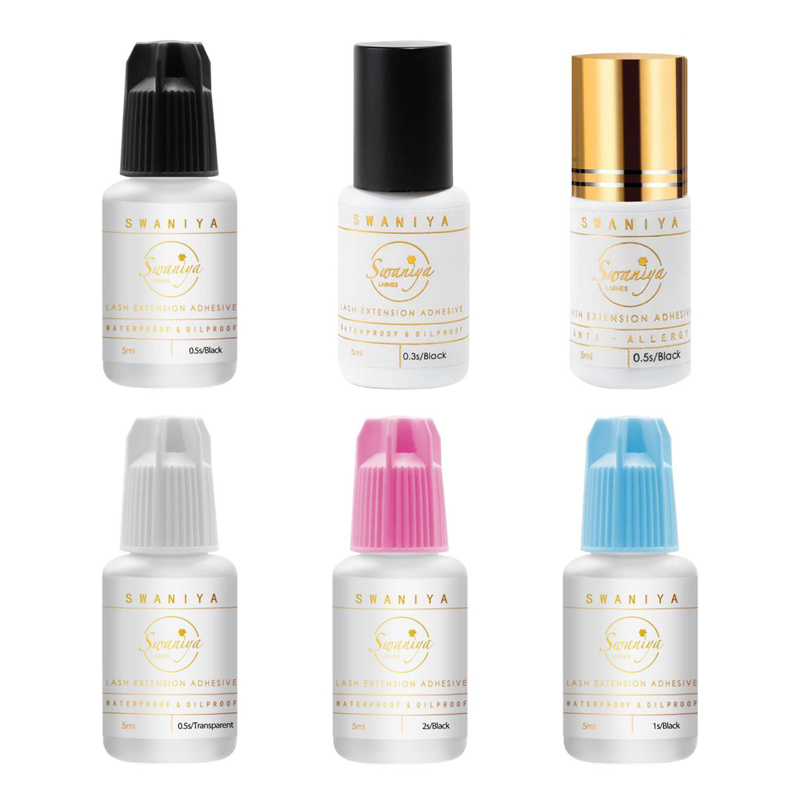
The adhesive system is a critical factor in the performance and longevity of Lash Clusters. Two main types of adhesives are used: temporary lash glue and bond-and-seal systems.
- Temporary Lash Glue: A latex-free adhesive applied to the cluster base and the natural lash line. It provides a temporary bond that lasts for several days.
- Bond and Seal System: A two-step process using a bonding agent and a sealing agent. The bond is applied to the natural lashes, and the seal is applied over the clusters to lock them in place. This system can extend wear time to 10 days or more.
- Application Method: Clusters can be applied underneath the natural lashes (similar to professional extensions) or on top of the natural lash line. The underneath method provides a more seamless, natural look.
- Removal: Adhesives are typically oil-based or water-based, allowing for easy removal with a remover solution or micellar water.
Adhesive Note: The choice of adhesive affects both wear time and comfort. Bond-and-seal systems generally provide longer wear, while temporary glues are easier to remove. Always perform a patch test before full application to check for allergic reactions.
04. Application Techniques for At-Home Use
One of the primary advantages of Lash Clusters is that they can be applied at home without professional training. The application process involves several key steps.
- Preparation: Clean the natural lashes and eyelids thoroughly to remove oils and makeup. Curl the natural lashes if desired.
- Cluster Selection: Choose clusters of appropriate length, curl, and volume. Pre-mapped kits include segments designed to create a specific eye shape.
- Adhesive Application: Apply a thin layer of adhesive to the cluster base or to the natural lash line, depending on the chosen method.
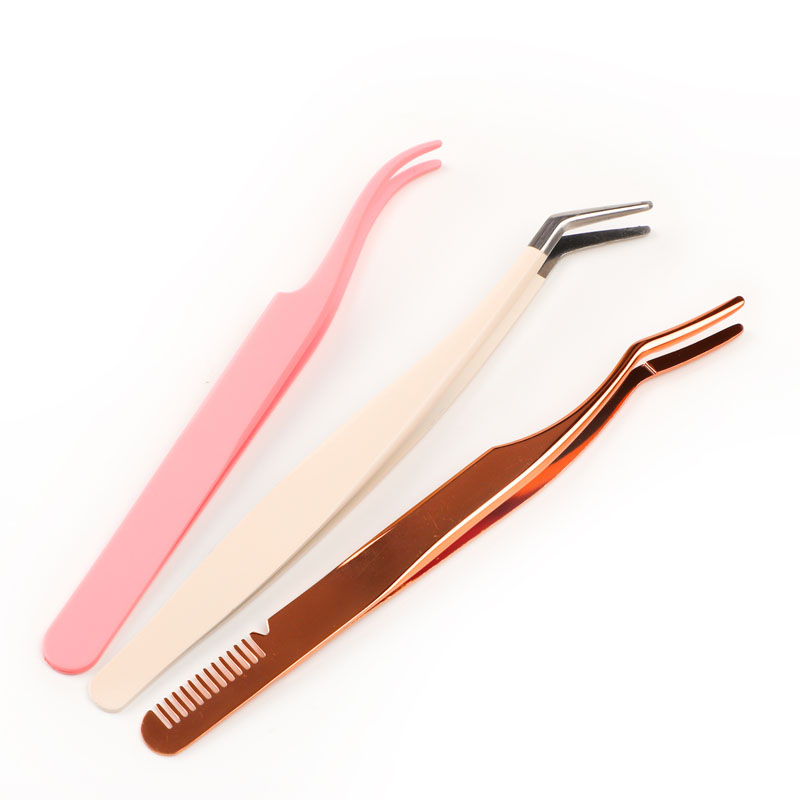
- Placement: Using tweezers, gently place the cluster at the base of the natural lashes, positioning it as close to the lash line as possible without touching the skin.
- Setting: Allow the adhesive to set for a few seconds, then proceed with the next cluster. Work from the outer corner toward the inner corner for a natural look.
The learning curve for at-home application is relatively short. With practice, a full set of clusters can be applied in 10 to 15 minutes. Pre-mapped kits simplify the process by providing clusters in the correct lengths and curls for a complete look.
05. Curl, Length, and Volume Options
Lash Clusters are available in a wide range of curl, length, and volume options, allowing users to customize their look. The most common curl types are:
| Curl Type | Description | Effect |
|---|---|---|
| C Curl | Gentle, natural curve | Everyday, subtle enhancement |
| CC Curl | Medium curl with more lift | Open, wide-awake appearance |
| D Curl | Dramatic, pronounced curl | Significant lift and eye-opening effect |
| M Curl | Natural, subtle curl | Soft, gentle look |
Based on industry-standard curl designations.
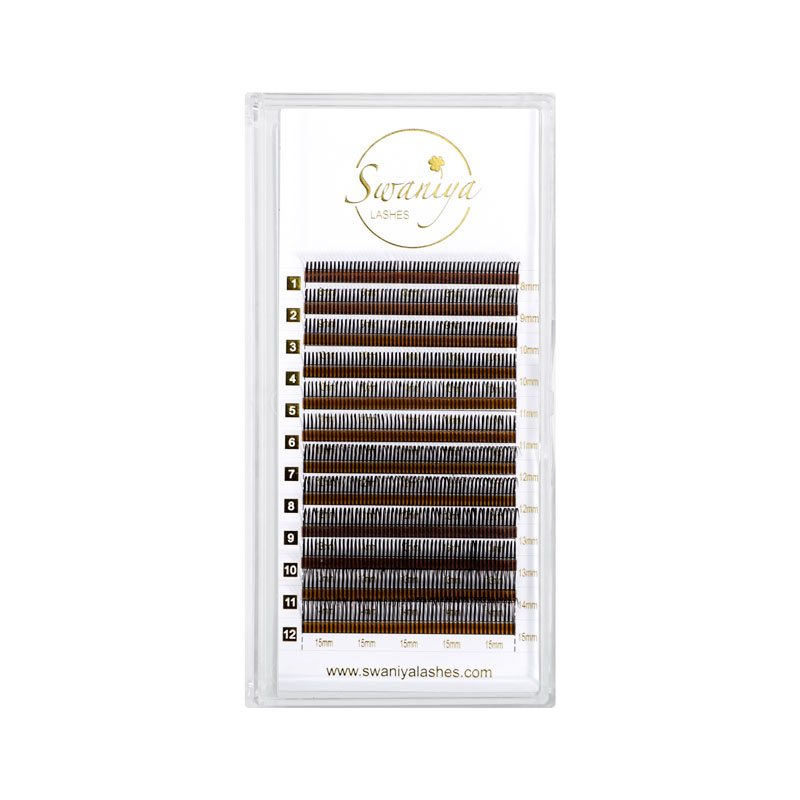
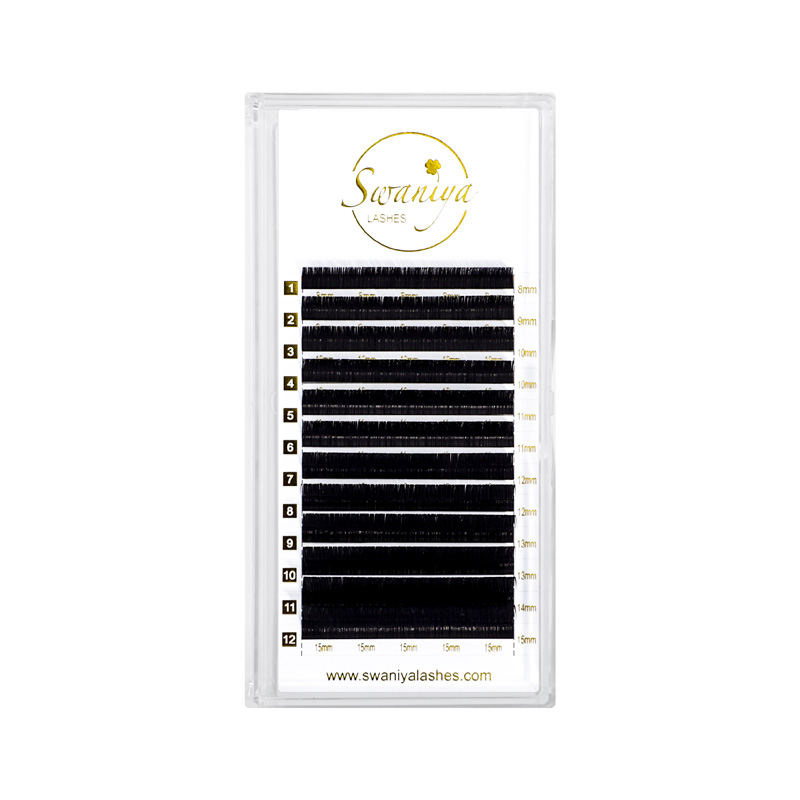
Length options typically range from 8mm to 16mm, with shorter lengths used for the inner corner and longer lengths for the outer corner to create a winged effect. Volume is determined by the number of lashes in each cluster and the fiber thickness. Thicker fibers (0.07mm to 0.10mm) create more volume, while thinner fibers (0.05mm) create a more natural, feathery look.
06. Care, Removal, and Reusability
Proper care extends the wear time and comfort of Lash Clusters. The following practices help maintain the appearance and longevity of the application.
- Avoid Water for 24 Hours: Keep lashes dry for the first 24 hours after application to allow the adhesive to fully cure.
- Gentle Cleaning: Use a lash-safe cleanser or micellar water to clean the lash line daily. Avoid oil-based products, which can weaken the adhesive.
- Brush Daily: Use a spoolie brush to gently comb the lashes and prevent tangling.
- Avoid Sleeping on the Face: Sleeping on the face can crush and distort the clusters. Sleeping on the back or side is recommended.
- Removal: Use a lash remover or oil-based cleanser to gently dissolve the adhesive. Never pull or tug on the clusters.
- Reusability: With careful removal and cleaning, some clusters can be reused once or twice.
Care Note: Proper removal is essential to protect the natural lashes. Never force the clusters off, as this can pull out natural lashes and cause damage. Always use a remover designed for lash adhesives.
Frequently Asked Questions
Product specifications and availability may vary. Always consult the manufacturer's documentation for your specific application requirements.